The Future of Tokenomics in 2026: Designing Long-Term Crypto Value
Explore the future of tokenomics in 2026 and learn how sustainable token configurations are driving long-term crypto fees, utility, and blockchain boom.

Introduction
The blockchain industry has evolved significantly over the past decade. While early cryptocurrency markets were fueled by speculation and price appreciation, the focus in 2026 has shifted toward sustainable value, real-world utility, and transparent governance. Businesses, investors, and users now prioritize blockchain projects that deliver long-term benefits rather than short-term gains.
At the core of this evolution is tokenomics—the economic framework that defines how digital assets function within a blockchain ecosystem. Effective tokenomics design determines whether a project can achieve lasting success by balancing token distribution, incentives, governance, and utility. Well-structured token economies encourage long-term participation, strengthen communities, and support sustainable growth.
Modern blockchain ecosystems also rely on smart contracts to automate transactions and enforce rules without intermediaries. Selecting the right token standard further ensures security, interoperability, and scalability across blockchain networks. As decentralized finance (DeFi) and Web3 applications continue to expand, sustainable token models have become increasingly important.
Companies like Quecko, a blockchain development and marketing firm, help organizations build token ecosystems designed for long-term adoption and growth. This blog explores how tokenomics is evolving in 2026 and highlights the key principles businesses should consider when designing crypto economies that remain valuable, resilient, and sustainable over time.
Understanding Tokenomics
Tokenomics combines the words “token” and “economy”. This refers to the rules, incentives, and mechanisms that determine how blockchain tokens are created, distributed, used, and governed within the token economy.
At the heart of any successful blockchain venture, tokenomics design and token configuration work together to create sustainable value incentives and ecosystem growth. A well-designed token economy typically consists of the following:
- Monitoring token supply
- Distribution Technology
- Usability Features
- The right to rule.
- Incentive systems and value-added systems
- Deflation or inflation control.
- Liquidity Management
- Integration with smart contracts that automate token-related methods
Effective tokenomics is additionally based on mechanism configuration to align the interests of customers, developers, certifiers, and investors. This is primarily essential in the DeFi protocol, where computerized structures manage lending, betting, buying and selling, and liquidity supply. Additionally, projects must account for evolving market dynamics, user operations and operating costs, including gas fees, all of which can impact token adoption and long-term sustainability. Tokenomics serves as the inspiration for every blockchain initiative. Without a strong monetary model, even progressive technology can struggle to attract users, investors, and manufacturers.
Why Tokenomics Matters More in 2026
The crypto market of 2026 is much different from previous years. Regulatory literacy has advanced, institutional participation has increased, and consumers have become more knowledgeable about blockchain initiatives. As an end result, the design of tokenomics and effective token configuration have emerged as important elements in determining the long-term success of virtual assets.
Several elements have capitalized on the evolving importance of tokenomics:
Increased Market Approval
Investors now screen campaigns primarily on the basis of fundamentals instead of advertising hype. Token distribution models, token application, distribution plans, and ecosystem sustainability play a major role in funding decisions. A well-thought-out tokenomics design helps events generate sustainable fees while mitigating the risks associated with inflation and market volatility.
Competition between blockchain projects
Thousands of tokens compete for the interests of individuals on many blockchain networks. Projects with weak dependent economies often have decreased engagement, decreased usage, and falling token spend. Effective token design allows campaigns to stand out by helping users create meaningful programs and incentives.
Long-term community building
Communities have become one of the most valuable assets in Web3. Strong tokenomics encourages long-term participation instead of quick-term efforts. Fair token distribution mechanisms, balanced rewards, and decentralized governance mechanisms help eliminate the focus on governance, ensuring that voting power is still shared among members of the community.
Institutional adoption
Institutional buyers are looking for predictable monetary patterns. Sustainable tokenomics improves trust and reduces the likelihood of funding. Transparent tokenomics design, healthy liquidity pools, and pure economic incentives make the ventures extra attractive to institutional individuals looking for long-term prospects.
Focus on User Experience
As blockchain adoption increases, user experience has emerged as a key focus. High gas prices or unpredictable gas payment systems can discourage participation and limit community growth. Projects that optimize transaction values while maintaining protection are more likely to achieve significant adoption.
Technological Innovation
New technologies such as zero-knowledge proofs are helping to increase the scalability, privacy, and efficiency of blockchain projects. These improvements allow the blockchain network to process transactions more efficiently, reduce operating costs, and provide smooth individual enjoyment, thereby strengthening the overall appreciation of the environment.
Key Trends Shaping Tokenomics in 2026
1. Utility-Driven Tokens
One of the biggest changes in tokenomics is the flow from speculative properties to application-focused tokens through improved token design and token engineering practices.
Modern blockchain efforts integrate tokens:
- Proof
- Access the forums
- Premium Deals
- Stakeholder System
- Board Vote
- Cyber Protection
- Security system
The extra preference the token transforms within the framework, the stronger its long-term value capture ability and long-term payment proposition.
For instance, blockchain structures are increasingly rewarding users for promoting liquidity, validating transactions, boosting content, participating in government games or Popular reward mechanisms that include liquidity mining and betting incentives help push user participation as well as network growth. New technologies such as zero-knowledge certificates are also being incorporated to reduce fuel surcharges and average gas fees for customers and increase privacy, scalability, and transaction performance.
2. Sustainable Emissions Model
Many early blockchain businesses suffered from asymmetric token issuance, which created inflationary pressures.
A breakthrough in 2026 projects careful compliance:
- Token Information
- Consumer Wages
- Network Incentives
- For market calls
Projects are now aware of emissions plans that gradually reduce token issuance over the years while maintaining the atmosphere. Advanced token configuration models help teams create sustainable financial frameworks that align incentives across all stakeholders.
This approach can sustain token shortages and help smooth out interest rates in the long run. Additionally, a growing number of businesses are embracing off-chain sales flows and using a portion of sales generated by ecosystem services to help use tokens, value participants, and fund projects to improve success. These strategies have become increasingly important.
3. Dynamic Irrigation Mechanisms
Fixed-benefit models are much less common.
Instead, operations impose dynamic irrigation systems that adapt to the tastes of the environment.
Popular Mechanisms include:
Token burning
A portion of the transaction cost is permanently removed from circulation, increasing burned tokens and reducing supply over time.
Buyback Program
The project leverages ecosystem sales and off-chain sale assets to buy back tokens from the market, strengthening long-term value capture.
Demand-Based Exit
Token creation adapts in line with network growth and user activity.
These mechanisms help align supply with demand, growing healthier token economies. Many efforts are also being made to reform voting systems to eliminate governance focus to enhance decentralized governance, where a small group of subscribers control elections.
As tokenomics evolves, blockchain teams increasingly rely on web comments, data analytics, or even semi-dependent conversations with customers and stakeholders to optimize financial fashion and make a specific sustainable ecosystem boom.
4. Income Distribution Model
One of the biggest characteristics of modern tokenization is the introduction of sales-sharing mechanisms that create sustainable costs for groups and merchants. As the token engineering tradition evolves, many efforts move beyond merely speculative frameworks to superior token delivery models.
A growing number of projects distribute a portion of sales to token holders via their platforms through:
- Prize bets
- Fund allocation
- Ecosystem Incentives
- Liquidity Curriculum
- Government Participation and Voting Systems
This method transforms tokens from speculative content into effective digital content, which creates costs for backers. In some ecosystems, a percentage of the revenue from gasoline costs or gas fees from transactions is redirected to network funds or distributed to stakeholders, while others use burned tokens as part of their cost-saving approach to improve shortages and reduce turnover.
To examine the effectiveness of these sales distribution frameworks, researchers often analyze the use of wealth distribution measures that include the Gini coefficient and gather comments from stakeholders through semi-structured interviews. These insights help determine whether the token rewards are nicely distributed across the framework.
As the global regulatory environment evolves, projects that implement clear revenue sharing mechanisms are in a better position to build consensus with users, attract long-term individuals, and demonstrate compliance with increasing virtual asset guidelines.
The Rise of Real-World Asset Integration
Tokenomics in 2026 expands beyond virtual ecosystems and is increasingly motivated by superior token design and token engineering ideas. Blockchain efforts actually connect the cryptocurrency environment with real-world content that includes real estate, commodities, intellectual property, on-chain asset allocation, carbon credits built on a decentralized ledger, and many of the functions to create a secure and transparent asset Machimar tokenization with a cartographic distinction of financial game, initiatives can lay a stronger foundation for long-term value and increase the sustainability of the token.
Real asset tokenization additionally introduces new sources of software and demand, making token economies additionally resilient to market volatility. Developers thoroughly evaluate key tokenomics variables, which include liquidity mining incentives, voting mechanisms, fairness of token distribution, measured by metrics including Gini coefficient, and monitoring of burned se tokens Additionally, green community operations supported with validator nodes reduce gas tariffs or company gas fees and virtual structures increases; projects must additionally navigate the evolving regulatory environment to ensure compliance and sustainable growth. Together, these improvements form a more mature and resilient tokenized financial system.
Governance as a Value Driver
Decentralized governance continues to play an important role in modern token design and token engineering, shaping the destiny of the cryptocurrency environment. Governance allows token community contributors to vote on important aspects of its work, including:
- Protocol Revisions
- Funding.
- Ecosystem Partnerships
- Incentive packages
- Network development priorities
Built on a decentralized ledger, these governance structures ensure transparency and accountability in virtual systems and any tokenized system. Successful governance structures in 2026 will focus on balancing decentralization with performance and carefully dealing with key tokenomics changes that affect long-term token dynamics.
Projects are adopting increasingly sophisticated governance strategies fostered by using token economy design methods and economy design methods that enable more powerful choice between stakeholders and validator nodes Advanced governance mechanisms now include:
- Square voting
- Proxy Voting
- Reputation-Based Voting
- Hybrid Operating Systems
These fashions encourage active community participation even as reductions in regime manipulation and wealth concentration, often measured through the Gini coefficient. Additionally, regime participants can vote on economic policies with programmable deflation, buyback mechanisms, adjust network gas prices or integrate gas prices improvements to a more resilient, community-driven ecosystem that facilitates sustainable boom and long-term cash flows.
Staking and Long-Term Commitment
Stakes are the only means of supporting long-term engagement within a tokenized machine. As a core aspect of token engineering and token economy design methods, existing equity systems value customers who commit their tokens for extended periods of time, even as they balance important tokenomics variables that affect sustainability and growth.
Advantages include:
- Decreased circulating distribution
- Enhanced network security through animated Validator nodes
- Enhanced privacy between virtual structures
- Strengthened community safety
Many projects now offer tiered share structures that offer additional benefits based entirely on lock-up periods. This technique encourages contributors to align their research with the long-term success of the work and contribute to a healthier long-phase balance in the atmosphere.
In the broader DeFi setting, staking often acts as a gateway to greater DeFi participation, allowing customers to earn rewards as well as community operations Metrics, including total value locked (TVL) and Gini coefficients, measure capital dedication and token distribution efficiency, are one of the best growth effects.
Advanced projects include programmable deflation through buyback mechanisms, where a portion of protocol sales are used to buy back tokens from the market These tokens are burned completely reducing distribution, potentially increasing shortages and support costs. Some protocols also leverage protocol capture technology to redirect ecosystem-generated value to token holders.
Additionally, betting frameworks are often integrated with automated market makers (AMMs) and other decentralized finance packages to develop additional software beyond simple value-add generation As part of a whole-of-economy design approach, makers should also account for factors including gas prices value added emissions and personalized access as long as it is efficient.
The Role of Data-Driven Tokenomics
Artificial intelligence and advanced analytics are revamping token design. In 2026, projects can study individual behavior, transaction interest, market demand, governance participation, liquidity patterns, gas prices, and other essential tokenomics variables to create more sustainable ecosystems based After token economy analysis method or broader giving economy design in Advanced Condition and Metabolic Method efficiency also help distribute incremental wealth using metrics including Gini coefficients, ensuring equitable participation within the network.
In an evolving DeFi environment, missions can screen off-market indicators including total value locked (TVL), staking activity, and ETH market rate to understand environmental dynamics This data allows the team to continuously optimize token economies and introduce techniques such as full purchase mechanisms that can help one long-term cost-effectiveness than blockchaining informed changes based on actual environmental overall performance, helping them transition to sustainable long-term equilibrium while maintaining community growth and individual engagement.
Challenges Facing Tokenomics in 2026
Despite significant improvements, however, tokenomics faces many challenges that affect the sustainability of any tokenized device. As blockchain adoption expands across multiple digital platforms, projects constantly need to refine their economic fashion to ensure long-term viability.
Regulatory Compliance
International governments maintain a growing framework for digital assets. Projects need to ensure that their token fashions take into account the evolving rules:
- Securities Acts
- Tax requirements .
- Consumer Protection
- Anti-money laundering claims
A robust token economy design methodology helps groups innovate and create tailored, customizable token systems simultaneously.
Balance of incentives
Overly generous rewards can create inflation, just as inadequate incentives can reduce an individual’s participation. Getting the right match is an important task.
Projects regularly monitor elements that include burned tokens, stake rewards, and money allocation to maintain a healthy long-term balance. Metrics like the Gini coefficient can also help identify whether token distribution is too concentrated on a small group of holders.
Market Volatility
Even well-developed token economies can enjoy volatility in broad market downturns. External elements including market cycles, fluctuations within the ETH market fee, changes within the two-week ETH market fee, and movements within the two-week ETH market fee can significantly affect token valuation and investor sentiment.
Projects should build resilience through diversified applications, sustainable monetary systems and strong environmental requirements. Monitoring metrics that include total value locked (TVL) can provide funded insights into the health and adoption of protocols. Key DeFi structures with curved funding often demonstrate how liquidity and utility can contribute to some level of atmospheric stability at risky intervals.
Government involvement
Many decentralized initiatives struggle with voter apathy. Encouraging active governance participation is a key priority in ecosystem growth.
Furthermore, operations require careful manipulation of token openings, as large open events can affect governance dynamics, token distribution, and network trust Active governance frameworks help ensure stakeholders’ continued engagement and support the long-term fulfillment of the environment.
How Quecko Helps Build Sustainable Token Economy
As a blockchain-based development and marketing agency, Queco is aware that blockchain operations of success require more than a progressive era.
Long-term success depends on designing token ecosystems that attract customers, reward participation, and create sustainable value within tokenized systems. Modern tokenomics needs to account for elements of gas costs, market conditions, token unlocks, and evolving regulatory frameworks such as MiCA to ensure sustainable growth.
Strategy Development in Tokenomics
Creating a customized financial model that matches desires, individual behavior, and market conditions. Queco uses established frameworks with token economy design methodology to assess stakeholders, optimize incentives, and achieve long-term equity The company additionally analyzes metrics such as the Gini coefficient to assess wealth awareness and improve electronic distribution environmentally.
Blockchain Development
Creating stable smart contracts and decentralized packages that help token software and climate growth. Queco develops structures that expose cross-chain information, automate token burn mechanisms, and assist in transparent reporting of cross-chain sales and environmental performance.
Community Growth and Marketing
Assist in customer acquisition and retention through strategic advertising campaigns, network partnerships and brand improvement. Using insights from blockchain analytics structures, Quecko helps projects understand user behavior, music consumption trends, and network participation improvements.
Constitution
Developing governance structures that inspire substantial community participation and decentralized choice and creation. This includes DAO token model design, defining key governance areas, improving voting power distribution, and establishing measurable decentralization goals that strengthen the resilience of the atmosphere.
Ecosystem expansion
Identify sharing, integration, and enhancement opportunities that strengthen token application and long-term adoption. Quecko assesses environmental performance through metrics including total fees locked (TVL), chain transparency, and protocol gaming. Market indicators, including ETH fees, two-week ETH rates, and two-week ETH market price characteristics, are also considered in assessing growth prospects and contingency risks.
Drawing insights from hit DeFi protocols such as Curve Finance, Quecko enables enterprises to build a scalable token economy that stabilises usability, governance, and sustainability.
Combining technical know-how with strategic marketing capabilities, record-driven assessment of supply chain records, and a focus on regulatory compliance, Quecko helps organizations implement blockchain ecosystems built for sustainability, transparency, and long-term value creation.
Best Practices for Designing Long-Term Crypto Value
Projects looking for long-term fulfillment should remember these principles:
● Focus on usability first
Tokens are supposed to clean up real-world problems and provide tangible benefits to users. Whether embedded in digital platforms or pervasive tokenized devices, software remains the muse of sustainable payment creation. Using an established token economy design methodology can help ensure that tokens perform important functions within the environment.
● Avoid excessive inflation
Wage systems must be sustainable and in line with the growth of the environment in the long run. Monitoring elements of burned tokens, tokens unlocked, and total value locked can help maintain a healthy supply-demand balance and guide a stable long-term equilibrium. Projects should additionally compare metrics such as the Gini coefficient to keep too much of your token focus and straight.
● Encourage Participation
Encourage users to contribute by placing bets, managing, visiting content material, and networking interests. Projects can distribute DAO tokens to encourage engagement while ensuring honest vote-electronic distribution across separate stakeholder groups. There is a need to expand participation across multiple areas of governance to strengthen decentralization and network cooperation.
● Build a Strong Community
Communities create network outcomes that drive adoption and value addition. Successful ecosystems with curved funding highlight how engaged customers can support protocol growth even as support functions meet their decentralization goals over time.
● Prioritize transparency
The sign accepts clear verbal exchanges about supply, emissions, treasury control and governance as well as truth. By maintaining on-chain transparency, blockchain utilizes analytical structures to allow users to independently verify corporate interest. Transparent reporting of treasury operations, governance options, and token distribution strengthens credibility.
● Adapting to Market Changes
Tokenomics should still be a significant bend in line with technological and market developments. Projects should not forget about external variables including ETH price, transaction gasoline costs, ETH fuel fees, ETH transaction gasoline fees, and base cost changes, especially when working with Ethereum-based networks regular tracking via biweekly monitoring can help groups respond effectively to market conditions. Additionally, the integration of widely available blockchain services with the Ethereum Name Service can enhance usability and support the boom in the long-term environment.
Conclusion
The future of tokenomics in 2026 is moving beyond speculation toward sustainable value creation. Successful blockchain projects are building economies centered on utility, governance, real-world integration, and long-term participation. Modern token models increasingly rely on advanced metrics such as the Gini coefficient to evaluate fairness and voting power distribution across stakeholders. Through a structured Token Economy Design Method, projects can create a resilient tokenized system that supports both user engagement and economic stability.
As users and investors become increasingly sophisticated, tokenomics will play an even greater role in determining the success or failure of blockchain ecosystems. Factors such as token unlocks, tokens burned, total value locked (TVL), and achieving a long-run equilibrium between supply and demand are becoming critical indicators of ecosystem health. Governance is also evolving, with many projects leveraging a DAO token to manage key governance areas while pursuing meaningful decentralization targets.
Companies like Quecko are helping organizations navigate this growth through designing token models that align incentives, support communities, and aid sustainable growth By combining blockchain innovation with strategic monetary design, companies can create virtual systems that are capable of sustainably generating value within an unexpectedly changing economy ad3. ETH interest rates, Ethereum delivery, transaction gasoline costs, ETH fuel fees, and ETH transaction fuel prices, all of which can drastically affect individual participation and community interests, the education from configured DeFi platforms along with Curve Finance highlights how burnout can recognize how liquidity and liquidity in of a long-term environment.
Frequently Asked Questions (FAQs)
1. What is tokenomics in blockchain?
Tokenomics refers to the economic form of a cryptocurrency or blockchain token, which includes supply, distribution, utility, incentives, governance, and reward mechanisms.
2. Why is tokenomics critical for crypto missions?
Tokenomics determines how value is created, distributed, and preserved within a blockchain ecosystem. Strong tokenomics help with adoption, engagement, and long-term sustainability.
3. What are software tokens?
Utility tokens provide access rights to services, goods, governance rights, wagering opportunities, or various capabilities within a blockchain environment.
4. How does token burning affect payment?
Token burning reduces the circulating supply of tokens, potentially causing increasing scarcity and helping its value in the long run if demand remains stuck or increases.
5. What role does staking play in tokenomics?
Stakes encourage long-term participation, reduce circulating supply, increase cybersecurity, and reward customers for helping the environment.
6. How do factual-global properties affect tokenomics?
Tokenization of goods with real assets, commodities, and carbon credits creates additional software and strengthens the monetary basis of blockchain functions.
7. What are the biggest tokenomics trends in 2026?
Key trends include application-driven tokens, dynamic delivery methods, revenue sharing, AI-driven optimization, real-world asset integration, and enhanced governance systems.
Author

Sheeba Abbasi
Digital Marketer and Social Media StrategistHi! I'm Sheeba Abbasi, a Digital Marketer, Social Media Strategist, and Content Creator specializing in Web 3.0 and Blockchain, with expertise in content development, community engagement, strategic planning, and technical writing.

Date
1 year agoShare on

Related Blogs
Beyond Endorsements: Why Equity-First Models Are Redefining the Player-Owned Economy
5 days ago
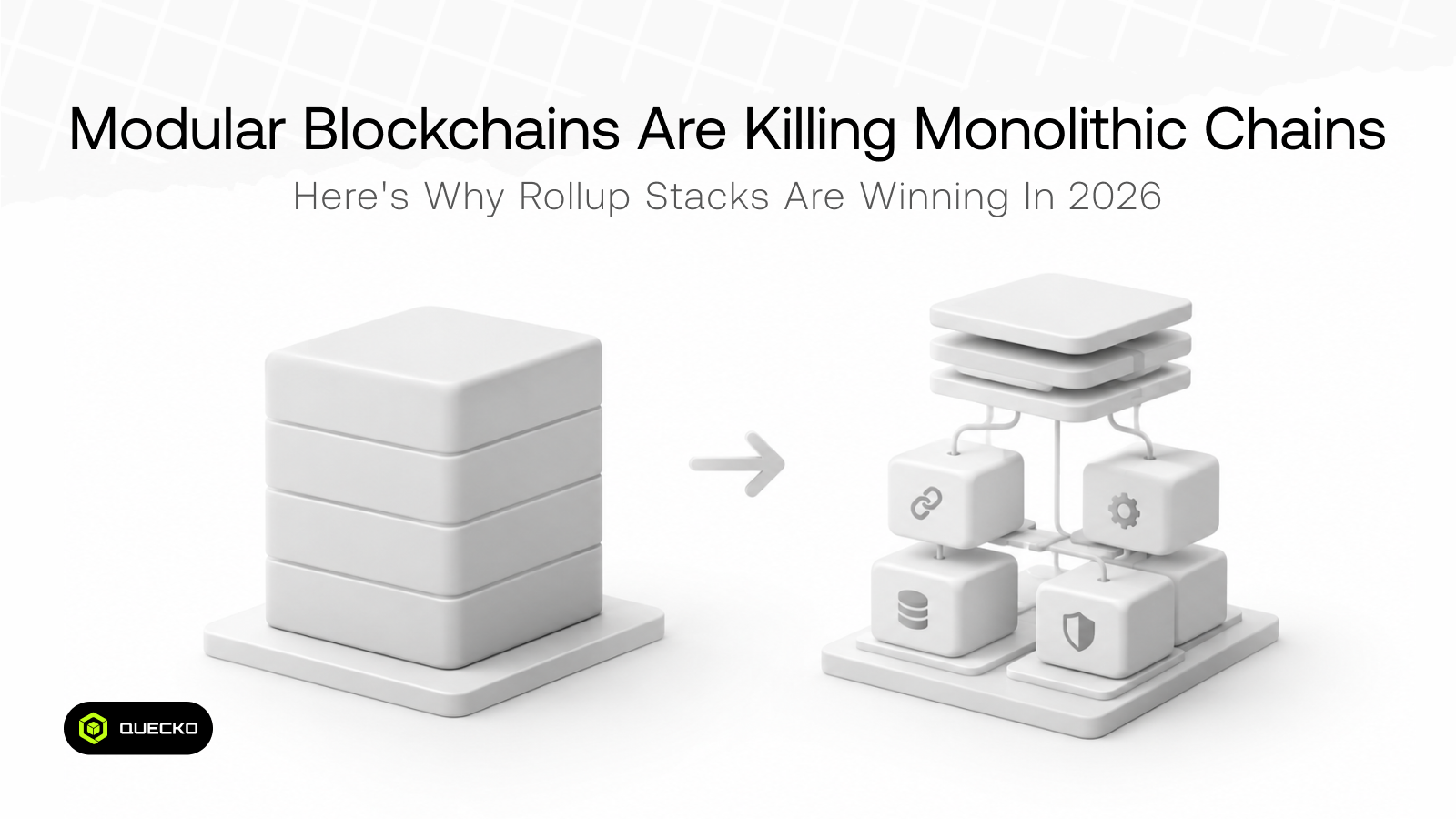
Modular Blockchains Are Killing Monolithic Chains — Here’s Why Rollup Stacks Are Winning in 2026
7 days ago
USDT vs USDC: Which Stablecoin Is Better for Enterprise Digital Infrastructure in 2026?
11 days ago
How Businesses Use Stablecoins for International Transfers
14 days ago