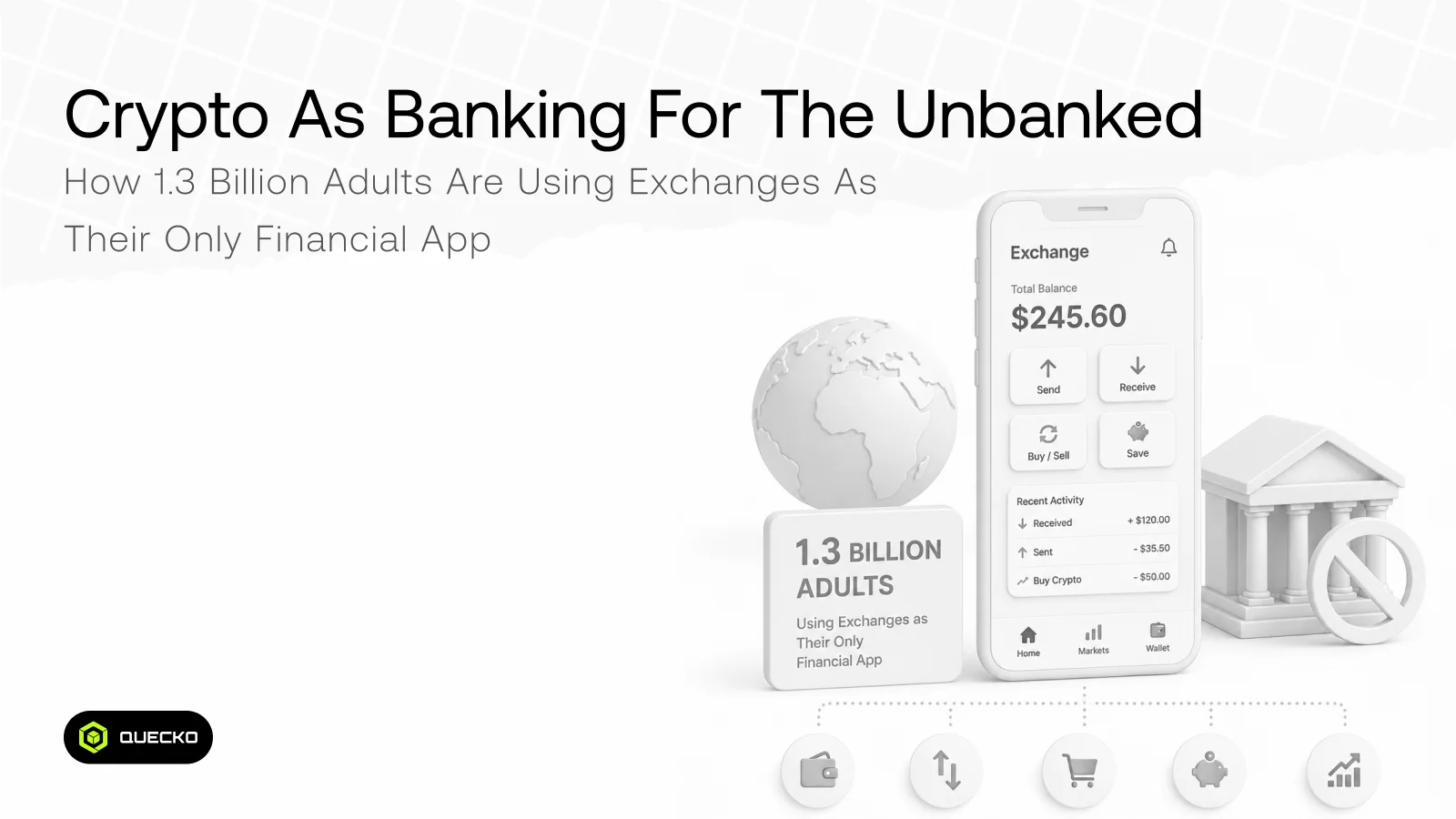
Crypto as Banking for the Unbanked: How 1.3 Billion Adults Are Using Exchanges as Their Only Financial App
Discover how 1.3 billion unbanked adults use crypto exchanges as their only financial app, unlocking payments, savings, and global access.
Introduction
Access to conventional banking is one of International’s biggest financial challenges. According to the Global Money Inclusion Survey, about 1,3 billion adults do not have access to a bank account anyway. Opening bank accounts for thousands and thousands of people in developing countries involves excessive documentation, exorbitant prices, long commuting distances or limited banking infrastructure.
At the same time, digital currencies have undoubtedly evolved beyond being speculative investments. Today, cryptocurrency exchanges are becoming entire economic ecosystems that allow customers to store cash, move funds around the world, earn passive income, access alternative assets, and access decentralized monetary offerings; all from a phone. Powered by distributed ledger technology, these structures also enable programmable cash, which enables automated payments, intelligent settlement performance, and new financial products previously unavailable through traditional banking systems.
For many individuals, a crypto alternative has effectively ended their primary financial utility. Instead of relying on traditional banks, they are using blockchain production to manage their day-to-day money lives, even as they cash in on faster, extra-easy financial services. As adoption develops, governments and corporate leaders are working towards a clearer regulatory framework that helps them co-innovate and improve customer loyalty and economic balance.
As blockchain adoption accelerates internationally, Quecko, a blockchain improvement advertising agency, allows companies to create secure, scalable, and user-friendly crypto systems that make financial access easier for underprivileged communities.
Why Traditional Banking Still Leaves Billions Behind
Despite a long period of banking innovation, monetary inclusion remains unequal in many areas, especially among underbanked communities suffering from systemic poverty, constraining access to economic services. Common constraints include:
- Lack of identification issued as president
- High minimum stability requirements
- Expensive Account Maintenance Fees
- Limited rural banking infrastructure
- Poor access to international value systems
- Cash transfers with late restrictions
For people living in remote areas or growing economies, getting a traditional bank account can also require a few hours of visits and extensive paperwork. While the regulatory environment differs from this to ours, Cryptocurrency removes many of these barriers by allowing users to participate online simply through the financial system.
How Crypto Exchanges Are Becoming Financial Super Apps
Modern cryptocurrency exchanges now offer deals similar to traditional banks, making digital currencies extra real for routine financial activities. This shift is especially valuable for underbanked groups, allowing them to access monetary deals without relying on traditional banking structures. Users can:
- Safely store virtual properties
- Send and receive payments globally
- Instantly exchange coins
- Earn Prizes Through Betting
Access stablecoins pegged to fiat currencies that can be supported using the issuer group.
- Full trust and credit, where relevant.
- Invest in lots of virtual content
- Look at Overall Portfolio Performance
- Pay merchants who take delivery of cryptocurrency
For many customers, these capabilities postpone the desire for a traditional on-site bank account. Instead of downloading separate applications for banking, investing, remittance, and savings, users manage the entirety from a single crypto platform. As exchanges evolve, they must also adapt to change.
- Regulatory Environment – including oversight from authorities such as the:
- Securities and Exchange Commission – in various jurisdictions. Around the world, governments are introducing clearer frameworks, including the Nigerian Investment and Securities Bill.
- National Policy on Virtual Assets and Virtual Assets Providers – to support innovation while improving consumer protection and market integrity.
Stablecoins Are Driving Everyday Financial Inclusion
One of the biggest reasons for the rise in crypto adoption among unbanked and underbanked groups is the rise in stablecoins and other digital currencies. Unlike the volatile assets regularly linked to the cryptocurrency market, fixed assets linked to conventional U.S. currencies retain value in dollars.
This makes them suitable for:
- Daily Savings
- The payroll
- International shipping
- Business Settlement
- E-commerce
- Fast and low-fee peer-to-peer transactions
People living in countries experiencing high inflation typically use stablecoins to maintain purchasing power when their local currencies depreciate rapidly each month. Instead of holding cash, they store virtual greenbacks in a crypto wallet at a time, making access to money to the general public less difficult.
The growth of mobile internet connectivity has similarly accelerated adoption, empowering thousands and thousands of mobile customers to access digital assets from anywhere and, as a result, enabling underbanked communities to participate in the global financial system for traditional banking, financial inclusion, and payments.
Cross-Border Payments Without Traditional Banks
International money transfers are still steeply priced and slow in many areas. Traditional courier services usually charge high fees because settlement takes many business days. Using crypto wallets over traditional mobile banking or virtual payment apps allows users to send and receive funds more efficiently across borders. Blockchain-based transfers offer several benefits:
- Near-instantaneous behavior
- Lower relocation costs
- 24/7 availability
- Global Accessibility
- Transparent Transaction Statistics
Families receiving cash from remote locations can access the value chain directly via external currencies or crypto wallets depending on local banking structures. As governments seek central bank digital currency initiatives and virtual IDs for secure services, blockchain-based financial transmissions are threatening to complement the evolving virtual event real payment environment.
Mobile Phones Are Replacing Bank Branches
The significant availability of smartphones has significantly expanded the right to economic access through mobile banking and cryptocurrency platforms. Instead of visiting physical branches, users can create crypto wallets, verify identity, buy cryptocurrencies, receive bills, manage savings, and qualify for access to financing options – all from a mobile device. While digital money is widely used, several governments are even exploring central bank digital currencies (CBDCs) to supplement or modernize existing monetary systems. For many teenagers, their first money account isn’t a bank account; it’s a crypto wallet linked to change. This bracket-first approach is especially valuable in regions where traditional banking structures are restricted. However, customers are additionally aware of cyberattacks by allowing strong security measures to protect their virtual content -component authentication with static pocket management.
Decentralized Finance Expands Financial Opportunities
Beyond basic banking functions, cryptocurrency also introduces customers to decentralized finance (DeFi).
Through the DeFi protocol, individuals can:
- Borrow digital stuff
- Loan Price Range
- Earn returns
- Provide liquidity
- Do business with external intermediaries
These offers are available globally without the need for approval from traditional financial institutions.
While DeFi contains additional risks, it shows how blockchain can democratize accessing financial offerings previously reserved for bank customers.
Financial Inclusion Through Digital Identity
Many people are still excluded from banking due to the lack of traditional identification documents.
Blockchain-based identity structures are growing as an option.
Self-universal identity solutions can preserve static virtual credentials while maintaining customer privacy.
As this technology develops, it will help empower more and more individuals to access financial products without relying solely on centralized verification systems.
Challenges That Still Need Attention
Despite tremendous development, total economic inclusion based on crypto faces several important and demanding scenarios.
Regulatory Uncertainty
Many international locations have evolving cryptocurrency policies.
Clear prison frameworks are critical to stimulating responsible innovation as well as protecting consumers.
Education
First-time customers struggle with managing multiple wallets, personal keys, fraud, and transaction security.
Educational projects remain important for safe adoption.
Internet Accessibility
Access to reliable internet remains unavailable to certain rural populations.
Infrastructure upgrades will aid in broader blockchain adoption.
Instability
While stablecoins solve part of the hassle, many cryptocurrencies are still too volatile and inaccurate for regular savings.
Security Risks
Users need to check proper wallet security practices to keep them away from phishing attacks, fraud, and loss of personal keys.
Improving the enjoyment and protection of the individual may be important for long-term adoption.
The Role of Blockchain Companies Like Quecko
Building financial systems for underserved populations takes more than blockchain information; it requires intuitive design, strong security, regulatory awareness, and powerful consumer buying strategies.
Quecko supports companies in this adventure by providing complete blockchain development and Web3 marketing solutions.
This knowledge includes:
- Cryptocurrency Conversion Improvements
- Smart Contract Development
- Improving blockchain applications
- Web3 Product Strategy
- Token Environment Configuration
- Wallet integration
- Community Growth
- Digital Advertising and Marketing for Blockchain Startups
By combining technological improvements with strategic advertising, Quecko helps companies build economical products that can reach millions of consumers worldwide.
Whether it is launching a decentralized finance platform, the answer to payments, or a crypto marketplace, companies can benefit from a stable structure with a powerful market position.
The Future of Banking May Be Decentralized
The monetary confusion is changing fast.
For millions of people, cryptocurrency is more than just an investment – it’s becoming their number one gateway to the global economy.
As the blockchain infrastructure matures, exchanges evolve into full-fledged financial platforms capable of transmitting invoices, financial savings, investments, loans, and international transfers from a single piece of software.
While traditional banks will retain an important place for gambling, decentralized financial services increase opportunities for populations previously excluded from traditional banking structures.
With sustainable improvements in regulation, schooling, safety, and accessibility, crypto has the potential to seriously narrow the global financial inclusion gap.
Companies like Quecko are enabling the acceleration of this differentiation through the development of progressive blockchain solutions and marketing strategies that provide a safe, practical economic time for users around the world.
Frequently Asked Questions (FAQs):
1. Why are crypto exchanges becoming banking options?
Crypto exchanges allow customers to trade for finance, send payments, exchange assets, earn rewards, and access economic offerings without the need for a traditional bank account.
2. How do stablecoins help unbanked populations?
Stablecoins provide virtual assets with very strong value, making them useful for savings, remittances, payroll, and everyday transactions in regions with unstable local currencies.
3. Is cryptocurrency safe for normal economic use?
Cryptocurrency can be safe when users choose reliable systems, allow strong security features along with two-party authentication, and nicely protect their wallets and recovery terms.
4. Can crypto reduce shipping costs?
Indeed. Blockchain networks often allow faster and lower fee drive limit payments compared to many traditional shipment carriers.
5. What role does Quecko play in blockchain adoption?
Quecko enables startups and enterprises to build blockchain applications, crypto exchanges, smart contracts, wallets, and Web3 advertising strategies that force adoption and long-term ecosystem growth.
6. Will crypto replace traditional banks?
Rather than replacing banks entirely, crypto is likely to complement traditional financial systems using alternative service offerings, especially in areas that banks access to be reluctant.
Author

Sheeba Abbasi
Digital Marketer and Social Media StrategistHi! I'm Sheeba Abbasi, a Digital Marketer, Social Media Strategist, and Content Creator specializing in Web 3.0 and Blockchain, with expertise in content development, community engagement, strategic planning, and technical writing.

Date
4 months agoShare on

Related Blogs

Beyond Endorsements: Why Equity-First Models Are Redefining the Player-Owned Economy
5 days ago
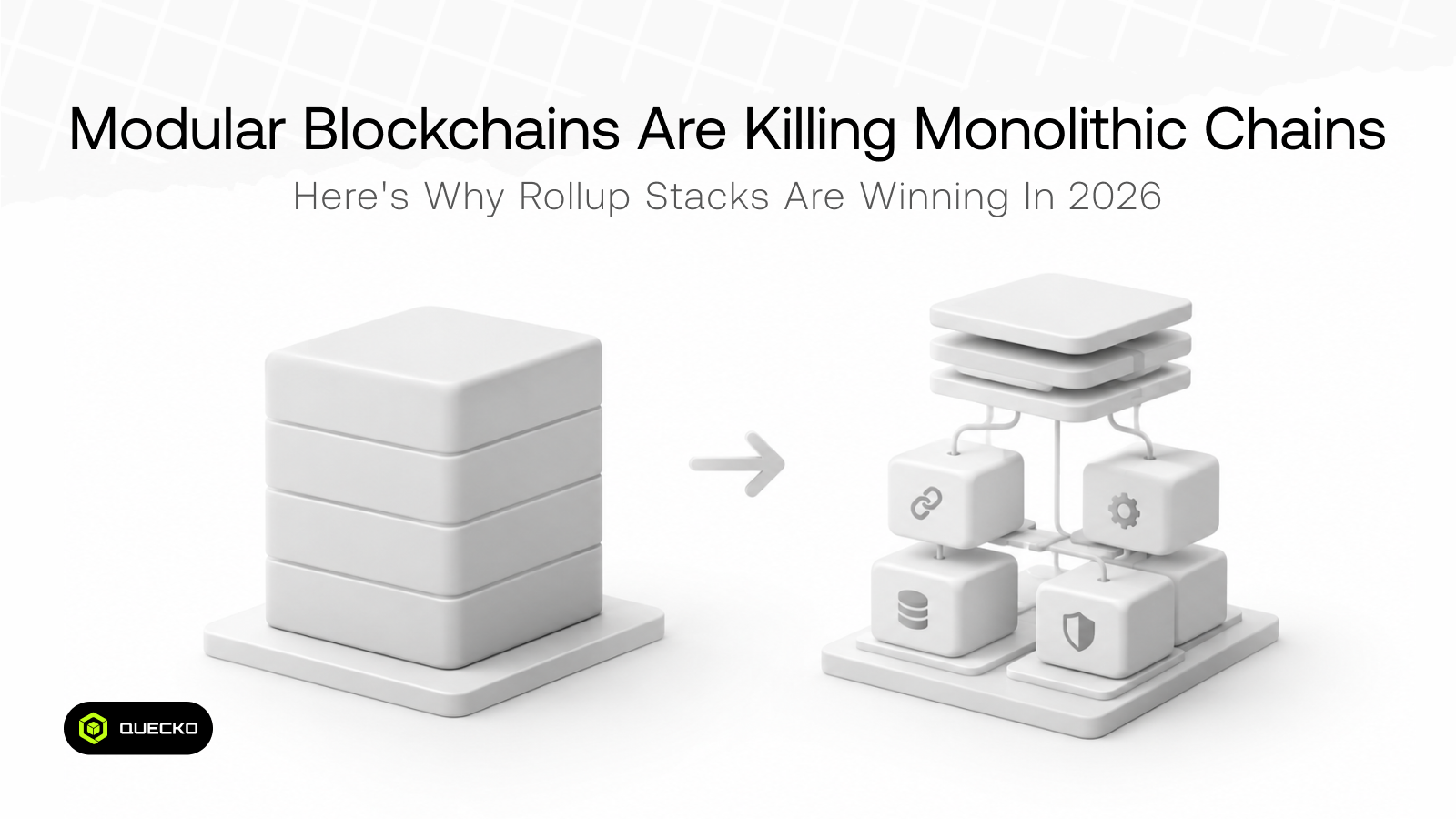
Modular Blockchains Are Killing Monolithic Chains — Here’s Why Rollup Stacks Are Winning in 2026
7 days ago
USDT vs USDC: Which Stablecoin Is Better for Enterprise Digital Infrastructure in 2026?
11 days ago
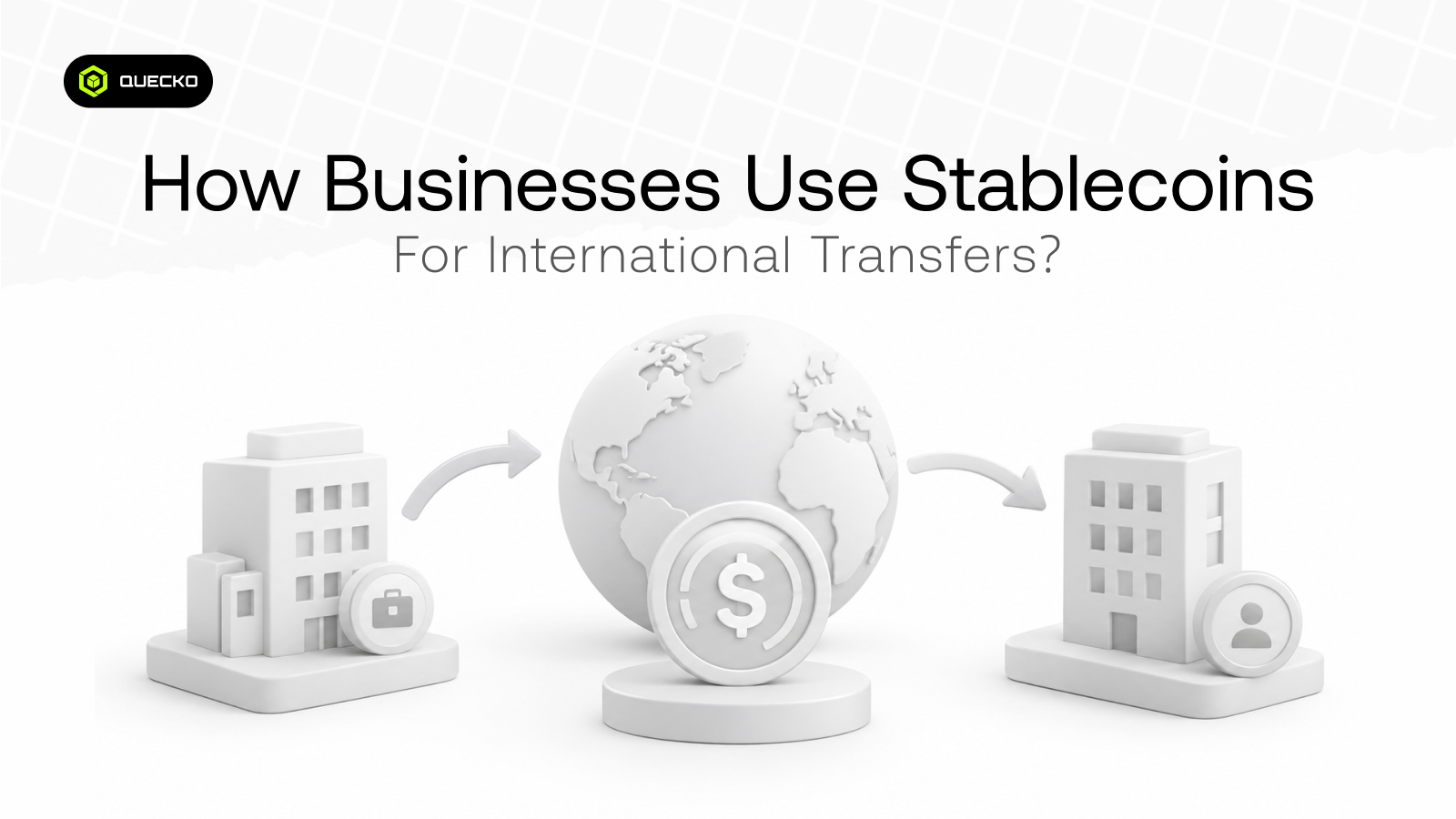
How Businesses Use Stablecoins for International Transfers
14 days ago